Step 01
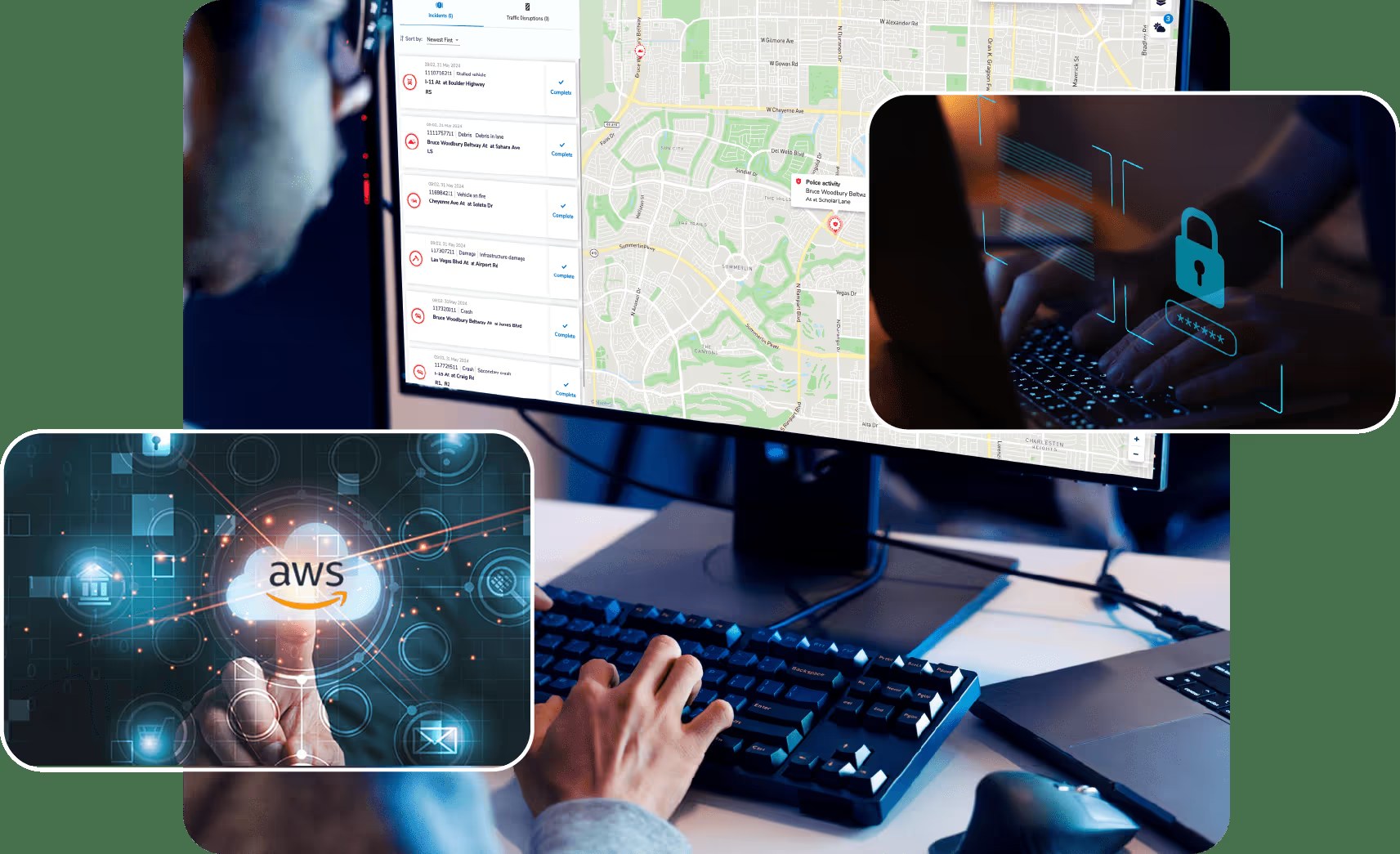
Protected at capture
The framework requires encryption and controls that prevent routine access to identifying information in protected non-hotlist vehicle records.
Rekor’s mandatory privacy framework for law enforcement ALPR
Rekor’s Board of Directors has adopted mandatory safeguards for automated license plate recognition. The framework preserves real-time alerts for approved hotlist matches while requiring judicial authorization, supported by probable cause, to access protected non-hotlist historical vehicle records. Defined retention rules, evidence authentication and mandatory access controls support the framework.

Adopted by Rekor’s Board of Directors as mandatory company policy. Existing law enforcement customers must transition at renewal, with early adoption available.




 Real-time hotlist alertOfficers notified
 Approved hotlist match
 Officer alert
 Officer verifies
 Protected historyBehind a judge’s warrant
 Protected historical record
 Warrant application
 Judge’s review
 Access limited to the warrant
 Officers notifiedReal-time hotlist alert, authorized use
ALPR helps agencies identify vehicles connected to investigations. Its continued use depends on clear limits on access to records of people’s movements. Rekor has adopted a framework that preserves approved hotlist alerts and places judicial review between investigators and protected historical records. These requirements bind Rekor’s law enforcement ALPR business under its published implementation schedule.
How it works
Step 01
The framework requires encryption and controls that prevent routine access to identifying information in protected non-hotlist vehicle records.
Step 02
Officers continue to receive real-time alerts when a vehicle matches an approved NCIC hotlist for a stolen vehicle or a vehicle associated with a wanted or missing person. An alert identifies a vehicle, not the person driving it, and officers verify every alert before acting.
Step 03
Access to protected non-hotlist historical records requires a judicial warrant supported by probable cause and remains limited to the records the warrant authorizes. Warrant applications are reviewed by a judge, and signed warrants can be delivered through electronic and other conventional means. Court procedures and response times vary by jurisdiction.

The framework

Protected historical records can’t be searched by plate, vehicle description, location or travel pattern without a warrant, including through exports, APIs or partner access. Adding a vehicle to a hotlist does not open its protected history.

Retention follows documented limits tied to a lawful purpose. Records reaching those limits enter the defined deletion process unless a documented legal preservation requirement applies.

Born Authentic™ supports verification of digital evidence integrity, helping reviewers assess whether protected recordings have changed.

Two-factor authentication is mandatory for human user access. Authorized-user records must remain current, and access must be revoked promptly when authorization ends.

Agencies control who can access their records. Sharing with approved partners does not remove the warrant requirement for protected records.
Our commitment
Rekor has adopted mandatory privacy requirements for law enforcement ALPR, including judicial authorization for access to protected historical records. Customer preference and competitive pressure do not override these requirements.
“Our Board of Directors has adopted mandatory privacy requirements for our law enforcement ALPR business. Officers retain real-time alerts for approved hotlist matches. Access to protected historical records requires a judge’s warrant supported by probable cause. We will not waive these requirements to win or retain business. These are the operating standards we have chosen to preserve both public safety and public privacy.”
Encryption protects stored and transmitted information. Rekor’s framework also restricts access to protected historical records by authenticated users. A login and a stated reason for a search do not replace the required judicial authorization.
Why now
Rekor has worked with members of both parties, in the House and the Senate, on federal ALPR legislation. Rekor supports technology-neutral national standards that preserve ALPR’s investigative value while requiring judicial oversight, controlled retention and verifiable evidence. We have adopted our own mandatory framework while that work continues. Rekor also supports legislation that would create criminal penalties for any vendor that unlawfully decrypts, reidentifies or discloses protected data.
Talk to us
Whether you’re starting a program, continuing one, restoring one you paused, switching providers or moving an existing Rekor deployment to the framework, our team will walk you through what it requires.

FAQ
It is mandatory company policy, adopted by Rekor’s Board of Directors, for automated license plate recognition (ALPR). It preserves real-time alerts for approved hotlist matches and requires a judicial warrant, supported by probable cause, to access protected non-hotlist historical vehicle records.
Yes. Officers receive real-time alerts when a vehicle matches an approved NCIC hotlist for a stolen vehicle or a vehicle associated with a wanted or missing person. An alert identifies a vehicle, not the person driving it, and officers verify alerts before acting.
The framework requires encryption and controls that prevent routine access to identifying information in those records. Access requires a judicial warrant supported by probable cause and is limited to the records the warrant authorizes.
An officer submits a sworn application, a judge decides whether probable cause supports the requested search, and an issued warrant authorizes access within its limits. Applications and signed warrants can move through electronic and other conventional means. Court procedures and response times vary by jurisdiction.
Retention follows documented limits tied to a lawful purpose. Records reaching those limits enter the defined deletion process unless a documented legal preservation requirement applies.
Two-factor authentication is mandatory for human user access, and access must be revoked promptly when authorization ends. Born Authentic™ supports verification of digital evidence integrity, helping reviewers assess whether protected recordings have changed.
No. It applies to new law enforcement customer agreements going forward. Existing customers transition at renewal, and early adoption is available. Customer preference and competitive pressure do not override these requirements.
Yes. Our team works with agencies starting a program, restoring a paused one, switching providers or transitioning an existing Rekor deployment.
Yes. Rekor supports technology-neutral national standards that preserve ALPR’s investigative value while requiring judicial oversight, controlled retention and verifiable evidence. We have adopted our own mandatory framework while that work continues.
Go to the privacy framework, or use the form on this page to talk with our team. We reply within one business day.
Our newsroom
For law enforcement, municipal officials, policymakers and privacy advocates. We’ll walk through the framework and answer your questions.